
Introduction
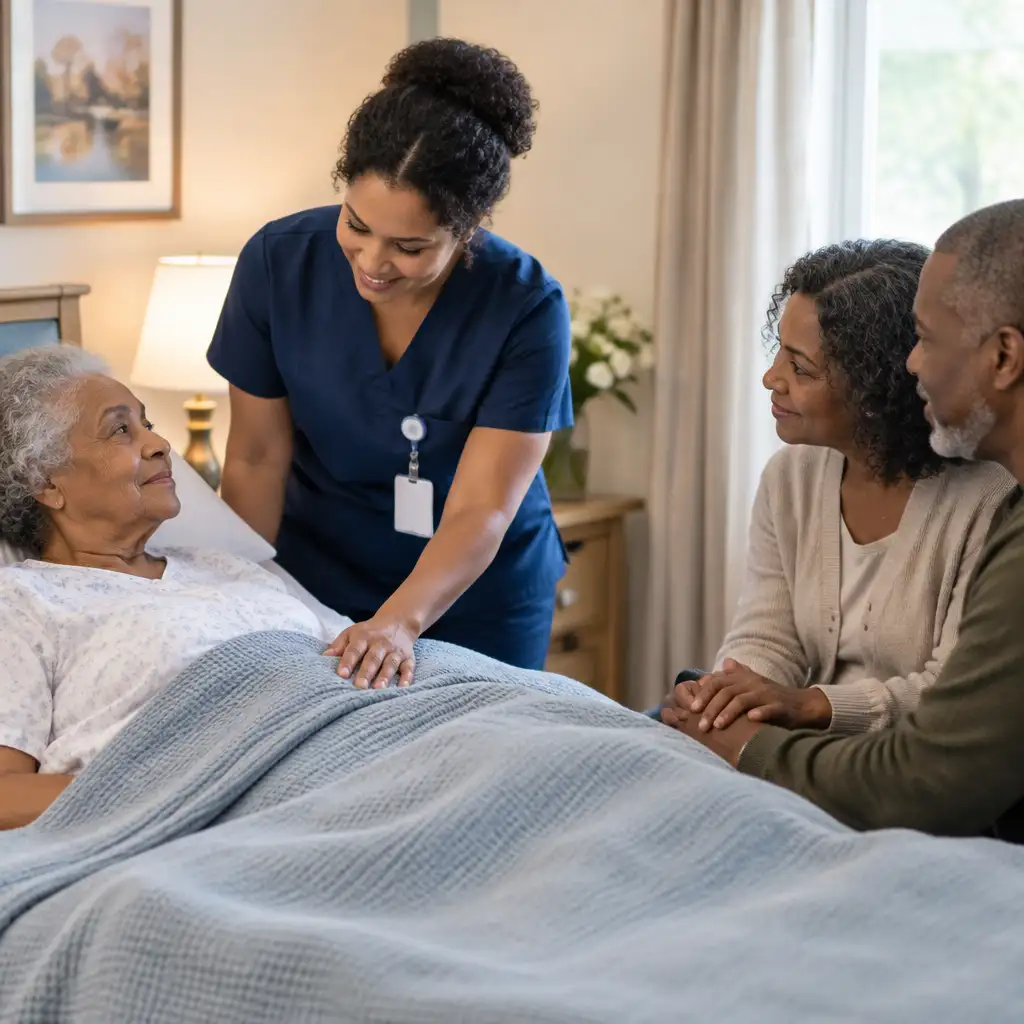
Deciding when to introduce palliative care or hospice support for a loved one is one of the most emotionally charged conversations a family can face. In Southeastern Massachusetts, families often look for clear, compassionate guidance that balances medical needs with comfort, dignity, and the family’s values. This guide is written to help families understand when palliative care or hospice support may be appropriate, and what comfort-focused care looks like at Our Lady’s Haven in Fairhaven.
Our Lady’s Haven, part of the Diocesan Health Facilities network, offers a palliative care program within a mission-driven, nonprofit environment focused on whole-person care. The goal of palliative and hospice support is not to rush decisions but to align care with a resident’s comfort and goals while providing practical help to families.
Below we explain common triggers that prompt families to consider palliative or hospice support, how those services are provided at Our Lady’s Haven, how hospice agencies collaborate with the care team, and the types of symptom management, Special Care Rooms, and family support you can expect. If you want to learn more about Our Lady’s Haven specifically, visit the Our Lady’s Haven page for details about the Fairhaven community and services.
This article is intended as general information to support conversations with clinicians, social workers, and discharge planners. It does not replace medical advice or determine clinical eligibility for services.
- Introduction
- Recognizing When Palliative Care or Hospice May Help
- How Palliative Care Works at Our Lady’s Haven
- Symptom Management and Comfort-Focused Treatments Families Can Expect
- Special Care Rooms and Environment for End-of-Life Support
- Coordination with Hospice Agencies and Veteran Considerations
- Family Support, Bereavement, and Conversations With Clinicians
- Frequently Asked Questions
Recognizing When Palliative Care or Hospice May Help
Families often begin to consider palliative care or hospice when the focus of medical care shifts from curative treatment to comfort, quality of life, and symptom control. Typical triggers include repeated hospitalizations, progressive decline despite treatment, significant changes in eating or mobility, or unrelieved pain and breathlessness. Recognizing these changes early allows families to explore comfort-focused options in a thoughtful way rather than in crisis.
Palliative care can be appropriate at many stages of serious illness and often works alongside disease-directed treatments. Hospice support is usually considered when life expectancy is limited and the primary focus becomes comfort-oriented care. Both approaches prioritize dignity, symptom relief, and family communication, and they can be tailored to the resident’s values and goals.
For families in Bristol County and surrounding communities, noticing small but persistent changes—like increased sleep, weight loss, reduced interest in usual activities, or more frequent infections—can be an invitation to talk with clinicians about whether palliative care services could improve comfort and daily living. These conversations are an important step in planning and can reduce stress for families by aligning care with realistic goals.
How Palliative Care Works at Our Lady’s Haven
At Our Lady’s Haven in Fairhaven, the palliative care program is designed to support residents, families, and the skilled nursing team with an individualized approach. A palliative care consult typically involves a clinical assessment of symptoms, review of current treatments, and a family-centered discussion about goals of care. The care plan focuses on comfort, respectful communication, and coordination across providers to avoid unnecessary hospital transfers when possible.
Family involvement is central: clinicians aim to understand what matters most to the resident and the family. That can include preferences about daily routines, spiritual support, meal preferences, and how much family members want to participate in hands-on care. The palliative approach at Our Lady’s Haven complements the facility’s broader skilled nursing and rehabilitation services and is part of the continuum of care Diocesan Health Facilities offers across Southeastern Massachusetts.
If a family wants a deeper overview of palliative and hospice services, the DHF Palliative Care & Hospice page explains how comfort-focused care and hospice coordination are available across the organization. Discussing options early with the care team or a discharge planner can help clarify whether palliative measures should begin immediately or whether a future transition to hospice may be appropriate.
Symptom Management and Comfort-Focused Treatments Families Can Expect
Palliative care centers on practical symptom management to improve comfort and function. Common symptoms addressed include pain, shortness of breath, nausea, constipation, anxiety, and sleep disruption. The team uses a combination of approaches—medication adjustments, non-drug strategies such as positioning and relaxation techniques, and gentle therapies—to manage symptoms while minimizing side effects.
Pain management is a key element of comfort-focused care. Our Lady’s Haven and the broader DHF system offer coordinated pain management services to assess pain levels, modify treatment plans, and monitor effectiveness. Families should feel empowered to report pain or discomfort and to ask about options that balance relief with alertness, appetite, and overall quality of life.
Because each resident’s situation is unique, palliative plans are individualized and revisited regularly. The care team makes decisions in partnership with the resident (when possible) and family members. This collaborative approach helps ensure that treatments reflect the resident’s goals—whether those goals include maximizing alertness for family time, reducing hospital stays, or focusing entirely on comfort at the end of life.
Special Care Rooms and Environment for End-of-Life Support
Our Lady’s Haven understands that environment matters when comfort-focused or hospice support is in place. Special Care Rooms are quieter, private spaces designed to provide dignity, privacy, and a calming setting for residents and their families. These rooms accommodate extended family visits and allow for personalization—photographs, favorite blankets, and meaningful items—so the atmosphere feels familiar and respectful.
The nursing and support staff work to maintain comfort in these rooms through attentive symptom monitoring, discreet care, and flexible schedules to support family needs. The Special Care Room environment supports peaceful routines like one-on-one visits, spiritual or pastoral care, and private family conversations. Staff aim to be present while also giving families space according to their wishes.
While Special Care Rooms are part of the palliative and hospice experience, their availability can vary. Families should speak with admissions or unit staff at Our Lady’s Haven to understand current arrangements and to request a Special Care Room when appropriate. The emphasis remains on dignity, respect, and creating a setting that supports meaningful time together.
Coordination with Hospice Agencies and Veteran Considerations
When hospice support becomes appropriate, Our Lady’s Haven coordinates closely with licensed hospice agencies to ensure seamless care. Hospice provides an extra layer of services focused entirely on comfort, including skilled nursing, hospice aides, social work, spiritual support, and bereavement resources. The facility team collaborates with hospice clinicians to align medication plans, visitation, and family communication so residents receive consistent, compassionate care.
Our Lady’s Haven is proudly contracted with the Department of Veteran Affairs, and veteran-related benefits or supports may be available for eligible residents. Families should discuss veteran status with the admissions team and hospice agencies to explore potential VA resources, recognizing that eligibility and benefits depend on individual circumstances and verification with the VA.
Coordination often involves multiple providers and payers. While DHF staff will help with logistics and communication, families should verify coverage and eligibility directly with hospice providers, insurance carriers, and the VA as needed. The goal of coordination is to reduce family burden and ensure the resident’s comfort and dignity remain central.
Family Support, Bereavement, and Conversations With Clinicians
Families frequently need emotional and practical support during serious illness and end-of-life care. Our Lady’s Haven and Diocesan Health Facilities emphasize family involvement in planning and provide guidance on what to expect during palliative or hospice care. Social workers and pastoral care staff can help families navigate decisions, understand care plans, and access community resources.
After a resident’s death, bereavement coordination is offered through hospice partners and facility-based supports. These services include follow-up calls, referrals to counseling, and information about local grief support groups. Families should ask the care team about bereavement timelines and resources so they know what support is available and how to access it.
Talking with clinicians can feel overwhelming. Practical tips include preparing a list of questions, sharing what matters most to the resident, and asking for regular updates on symptom control. If you are unsure how to begin the conversation, request a family meeting with nursing, social work, and the attending physician or advanced practice provider. These discussions help set expectations, reduce misunderstandings, and ensure the care plan honors the resident’s values.
When you are ready to explore next steps—whether that is a palliative consult, hospice information, or a tour of Our Lady’s Haven—you can request more information and speak directly with the team to schedule a visit or care conversation.
Frequently Asked Questions
Q: How is palliative care different from hospice?
A: Palliative care focuses on symptom management and quality of life and can be provided at any stage of a serious illness alongside curative treatments. Hospice is a type of palliative-focused care usually offered when a person’s life expectancy is limited and the primary goal is comfort rather than disease-directed treatment.
Q: Will choosing hospice mean my loved one cannot receive pain relief or nursing care?
A: No. Hospice care emphasizes expert pain and symptom management and provides nursing, medication, and supportive services aimed at comfort. Hospice teams work with facility staff to ensure continuous attention to the resident’s comfort needs.
Q: How do we arrange a Special Care Room or start a palliative consult at Our Lady’s Haven?
A: Speak with the nursing unit, social worker, or admissions staff at Our Lady’s Haven to request a palliative consult or inquire about Special Care Room availability. The care team will explain options, coordinate with hospice if appropriate, and involve family members in planning.
Need guidance after a hospital stay or change in care needs? Diocesan Health Facilities helps families understand skilled nursing, short-term rehabilitation, long-term care, and related support options throughout Southeastern Massachusetts. Visit Request Tour/Info or call (508) 679-8154 to start a conversation with the DHF team.