
 Introduction to Post-Hospital Recovery Challenges
Recovering after a hospital stay is rarely a simple or linear process, especially for older adults. While hospitals are designed to address acute medical issues and stabilize patients, they are not intended to support the full recovery journey. Once a patient is discharged, the responsibility for continued healing shifts to the next level of care—and for many seniors, that transition can be the most critical phase of all.
In the days and weeks following hospitalization, patients often face a combination of physical weakness, limited mobility, medication adjustments, and the emotional strain of recovery. Even routine daily tasks such as walking, bathing, or preparing meals can suddenly become difficult or unsafe. Families are often left asking: Is it safe for them to go home? Who will monitor their progress? What happens if something goes wrong?
Without the proper level of care, the risk of complications increases significantly. Falls, medication errors, infections, and hospital readmissions are all common concerns during this transitional period. This is why skilled nursing care exists—to provide a safe, structured environment where recovery can continue under professional supervision.
Skilled nursing facilities are specifically designed to bridge the gap between hospital and home. They offer a level of medical attention and rehabilitative support that cannot typically be provided in a home setting. For many patients, this step is not just beneficial—it is essential to achieving a full and lasting recovery.
The Role of Skilled Nursing Care in Recovery
Skilled nursing care plays a vital role in ensuring that recovery progresses safely, efficiently, and with the best possible outcomes. Unlike home care, which may be limited in scope, skilled nursing facilities provide comprehensive, around-the-clock medical oversight. This continuous monitoring allows healthcare professionals to respond quickly to changes in a patient’s condition and adjust care plans as needed.
One of the primary goals of skilled nursing care is to prevent setbacks. After hospitalization, patients are often in a fragile state, and even minor complications can lead to serious consequences. By maintaining close supervision and proactive care, skilled nursing teams help reduce the likelihood of hospital readmissions, which can be both physically taxing and emotionally discouraging.
Another important aspect of skilled nursing care is the structured environment it provides. Recovery requires consistency—consistent medication schedules, therapy sessions, nutritional support, and rest. In a skilled nursing setting, these elements are carefully coordinated to support healing. Patients benefit from a routine that is designed specifically around their needs, helping them regain strength and confidence over time.
Additionally, skilled nursing care provides a level of reassurance for families. Knowing that their loved one is receiving professional care in a safe environment allows families to focus on support and connection, rather than the stress of managing complex medical needs on their own.
Medical Services That Support Healing
At the core of skilled nursing care is a comprehensive range of medical services designed to support recovery and manage ongoing health conditions. Licensed nurses and healthcare professionals are available 24 hours a day to provide care that is both responsive and personalized.
Medication management is a critical component of this care. After hospitalization, patients often have new prescriptions or changes to existing medications. Ensuring that medications are administered correctly and on schedule is essential to avoiding complications. Skilled nursing staff carefully monitor these regimens and watch for any side effects or interactions that may arise.
Wound care is another important service, particularly for patients recovering from surgery or injury. Proper wound management reduces the risk of infection and promotes faster healing. Skilled nursing facilities are equipped to handle a wide range of wound care needs, from simple dressings to more complex treatments.
In addition to these services, patients receive ongoing monitoring of vital signs and overall health status. This includes tracking blood pressure, heart rate, oxygen levels, and other key indicators. Early detection of potential issues allows for timely intervention, which can make a significant difference in recovery outcomes.
Many skilled nursing facilities also provide access to physicians and specialists who oversee patient care. This integrated approach ensures that medical decisions are informed, coordinated, and aligned with the patient’s overall recovery goals.
The Importance of Rehabilitation Therapies
Rehabilitation is often the driving force behind a successful recovery, and skilled nursing facilities are uniquely equipped to provide comprehensive therapy services. These therapies are tailored to each patient’s condition and are designed to restore function, improve mobility, and promote independence.
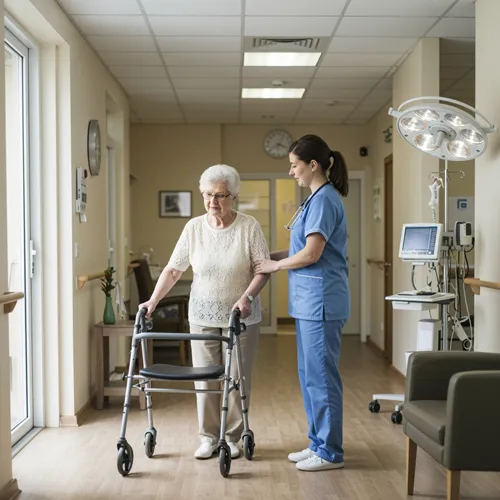
Physical therapy focuses on rebuilding strength, balance, and coordination. For patients recovering from surgery or injury, regaining the ability to walk safely is often a top priority. Therapists work closely with patients to develop exercises and routines that gradually increase mobility while minimizing the risk of falls.
Occupational therapy addresses the practical aspects of daily living. Patients learn or relearn essential skills such as dressing, bathing, cooking, and managing personal care. This type of therapy is especially important for those who wish to return home, as it helps ensure they can function safely and independently in their own environment.
Speech therapy may also be necessary for patients who have experienced strokes or other conditions that affect communication or swallowing. These therapies help patients regain critical abilities that are essential for both safety and quality of life.
What sets skilled nursing rehabilitation apart is the consistency and intensity of therapy sessions. Patients typically receive therapy multiple times per week, allowing for steady progress. Therapists also collaborate with the broader care team to ensure that therapy goals align with medical needs and overall recovery plans.
Emotional and Social Support During Recovery
While physical healing is a primary focus, emotional well-being is equally important during recovery. Hospitalization and the subsequent transition to a care facility can be disorienting and stressful. Patients may experience feelings of anxiety, frustration, or even depression as they adjust to their new circumstances.
Skilled nursing environments are designed to address these emotional challenges by fostering a sense of community and connection. Social activities, group programs, and communal dining opportunities provide patients with chances to interact with others and maintain a sense of normalcy.
Staff members also play a key role in providing emotional support. Through regular interaction and compassionate care, they help build trust and create a supportive atmosphere. This human connection can have a powerful impact on a patient’s outlook and motivation to recover.
For many individuals, spiritual care is another important aspect of emotional well-being. Faith-based organizations, such as Diocesan Health Facilities Organization, often incorporate spiritual support into their care model. This may include access to chaplain services, religious activities, or simply an environment that respects and nurtures personal beliefs.
Maintaining emotional health during recovery is not just about comfort—it can directly influence physical outcomes. Patients who feel supported and engaged are often more motivated to participate in therapy and adhere to their care plans.
Coordinated Care for Better Outcomes
Recovery after hospitalization involves multiple moving parts, and coordination is essential to ensuring that everything works together effectively. Skilled nursing facilities serve as a central hub for this coordination, bringing together healthcare providers, therapists, patients, and families.
From the moment a patient is admitted, a comprehensive care plan is developed. This plan outlines medical treatments, therapy goals, nutritional needs, and discharge objectives. Regular assessments are conducted to track progress and make adjustments as needed.
Communication is a key component of this process. Skilled nursing teams maintain close contact with hospital discharge planners and physicians to ensure continuity of care. They also keep families informed through updates and discussions about the patient’s progress.
This level of coordination helps prevent gaps in care, which can lead to complications or delays in recovery. It also ensures that everyone involved is working toward the same goals, creating a more efficient and effective recovery process.
When Skilled Nursing Care May Be the Right Choice
Determining whether skilled nursing care is the right option depends on a variety of factors. Patients who require ongoing medical monitoring, intensive rehabilitation, or assistance with daily activities are often strong candidates for this level of care.
Certain conditions, such as recent surgery, serious illness, or mobility limitations, may make it unsafe for a patient to return home immediately. In these cases, skilled nursing care provides the support needed to recover fully before transitioning back to an independent setting.
Living arrangements also play a role. Patients who live alone or do not have access to consistent caregiving support at home may benefit from the structure and safety of a skilled nursing environment. Families should consider not only the patient’s current needs but also the potential risks associated with inadequate support.
Ultimately, the decision should be guided by a combination of medical recommendations and practical considerations. Consulting with healthcare providers and care coordinators can help families make informed choices that prioritize both safety and quality of life.
Helping Families Make Informed Decisions
Navigating the transition from hospital to recovery care can be challenging, but understanding the role of skilled nursing care can make the process more manageable. With the right support in place, patients can recover more effectively, regain independence, and return to their daily lives with confidence.
For families, taking a proactive approach is key. Asking questions, exploring options, and seeking guidance from experienced professionals can help ensure that decisions are well-informed and aligned with the patient’s needs.
Skilled nursing care is not just about medical treatment—it is about providing a comprehensive, supportive environment where recovery can truly take place. By addressing both the physical and emotional aspects of healing, these facilities play a crucial role in helping patients achieve the best possible outcomes.
If you are exploring care options for yourself or a loved one, the team at Diocesan Health Facilities Organization is here to help. Learn more about their services and communities at https://www.dhfo.org/ or reach out directly at denisec@dhfo.org to start the conversation.